7 Warning Signs Your Septic Tank Needs Immediate Service

Your septic system whispers before it screams.

The key is catching the warning signs early.

Here are the most common red flags we see in North Georgia homes.

1. Slow Drains Throughout the House

If one sink is slow, it may be a clog.
If multiple drains are slow, your septic tank may be full.

2. Gurgling Sounds

Toilets or drains making bubbling noises often signal restricted flow.

3. Sewage Odor Indoors or Outdoors

If you smell sulfur or sewage near your yard or inside your home, do not ignore it.

4. Pooling Water in the Yard

Standing water near the drain field — especially without recent rain — is a serious warning.

5. Lush, Bright Green Grass Over the Drain Field

It may look healthy, but it can mean wastewater is surfacing.

6. Sewage Backup in Toilets or Tubs

This is a full emergency situation.

7. It’s Been Over 3–5 Years Since Your Last Pump

Even without symptoms, time alone can justify service.

What To Do Next

If you’re experiencing one or more of these signs, call immediately. Waiting can turn a manageable pump-out into a major repair.

Preventative maintenance is always cheaper than restoration.

How Often Should You Pump Your Septic Tank in Alpharetta?

This is one of the most common questions we get.

The answer depends on three things:

Household size

Tank size

Water usage habits

General Rule

Most residential septic tanks in North Georgia should be pumped every 3 to 5 years.

But that’s not universal.

Larger Households

More people = more wastewater = faster sludge accumulation.

A household of five may need pumping closer to every 2–3 years.

Garbage Disposals Increase Load

If you regularly use a garbage disposal, your tank fills faster.

Vacation Homes

Homes used seasonally may stretch closer to the 5-year mark.

Why Pumping Matters

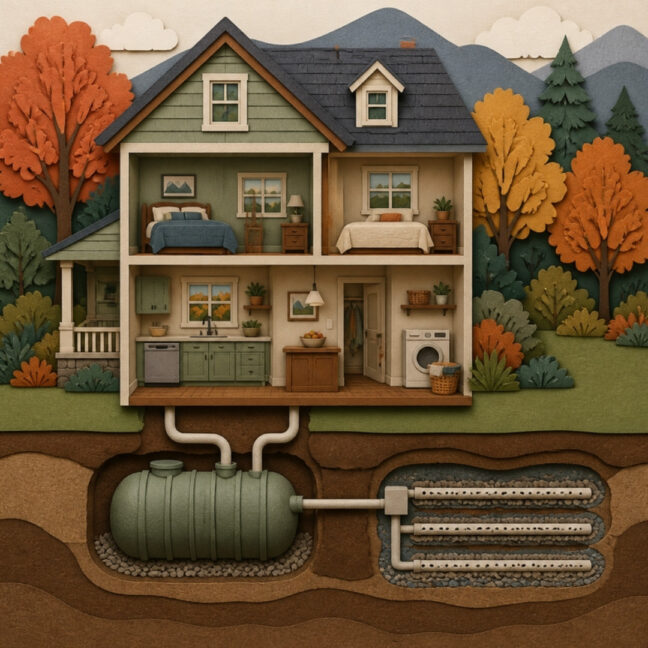
Inside your septic tank, solids settle at the bottom. Over time, that layer thickens.

If it grows too high:

Solids escape into the drain field

Lines clog

The system fails

Drain field replacement can cost thousands.

Routine pumping costs a fraction of that.

Smart Move

If you’re unsure when your last service was, schedule an inspection. It’s better to know than guess.

Why Septic Systems Fail in North Georgia (And How to Prevent It)

If you live in North Georgia, your septic system works harder than you think.

Clay-heavy soil. Sudden rainstorms. Expanding suburban development. All of it impacts how your system performs — and how long it lasts.

Most septic failures don’t happen overnight. They build quietly. Then suddenly you’re dealing with sewage backups, foul odors, or a soaked yard.

Here’s what causes most failures in the Alpharetta and surrounding areas.

1. Poor Drainage from Clay Soil

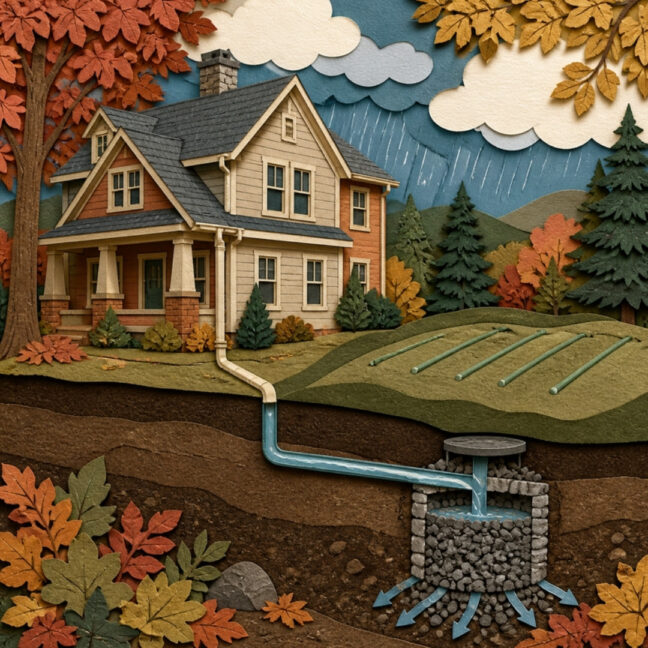
North Georgia soil doesn’t drain like sandy coastal regions. Clay holds water. That means when heavy rains hit, your drain field may already be saturated.

When the soil can’t absorb more wastewater, it backs up.

Prevention:

Pump every 3–5 years

Redirect gutters away from the drain field

Avoid compacting soil over the field

2. Skipping Regular Pumping

Many homeowners wait until there’s a problem.

That’s a mistake.

Sludge builds up over time. If it’s not removed, it pushes solids into the drain field. Once that happens, repairs get expensive — fast.

Routine pumping costs far less than replacing a failed field.

3. Flushing the Wrong Things

“Flushable” wipes are not septic-safe. Neither are paper towels, grease, or feminine hygiene products.

Your system is designed for:

Human waste

Toilet paper

That’s it.

Everything else increases the risk of clogs and overflow.

4. Heavy Vehicle Traffic

Parking trucks or equipment over your septic tank or drain field compresses soil and can crack pipes.

We’ve seen it too many times.

The Bottom Line

Septic systems in Alpharetta and surrounding North Georgia communities require proactive care. Regular inspections and pumping extend the life of your system and prevent emergencies.

If it’s been more than three years since your last pump, schedule service now — before the problem announces itself.

Top 7 Reasons Your Septic System Fails—And How to Prevent Every One of Them

Most septic disasters are preventable. Here are the biggest causes of failure and how we help homeowners avoid them every day.

1. Not Pumping the Tank on Time

The #1 cause of backups. Regular maintenance is the cure.

2. Flushing the Wrong Items

Wipes, tampons, cotton swabs, and paper towels clog septic systems fast.

3. Heavy Water Usage

Too much laundry or long showers can overload the tank.

4. Tree Roots in the Lines

Roots break pipes, block flow, and destroy drain fields.

5. Poor Drain Field Health

When soil can’t absorb wastewater, the entire system fails.

6. Using Harsh Chemicals

Bleach, drain cleaners, and antibacterial soaps kill the good bacteria your tank needs.

7. Old or Damaged Pipes

Aging systems need regular inspection to catch early signs of wear.

We Protect Your Home From All 7 Problems

Our team handles pumping, inspections, repairs, and full system replacement when needed. Fast, clean, affordable.

For fast service in Alpharetta, Milton, Roswell, Johns Creek, and North Fulton, call 770-922-1434 or visit ActionSepticTankService.com.

Emergency Septic Backup? Here’s What To Do Before It Gets Worse

A septic backup can happen without warning—but what you do in the next 30 minutes makes all the difference.

1. Stop Using All Water Immediately

Prevent further flooding by shutting down washing machines, showers, and sinks.

2. Check the Lowest Drain in Your Home

If water is coming up through tubs or floor drains, your tank is full or your main line is blocked.

3. Don’t Try DIY Fixes

Store-bought chemicals damage your system and make professional repair more expensive.

4. Keep Children and Pets Away

Wastewater contains harmful bacteria—avoid contact until a professional arrives.

5. Call an Emergency Septic Technician

We respond fast, pump the tank, clear the line, and restore normal flow safely and professionally.

Backups never fix themselves. The longer you wait, the more damage spreads.

For fast service in Alpharetta, Milton, Roswell, Johns Creek, and North Fulton, call 770-922-1434 or visit ActionSepticTankService.com.

Why You Should Never Ignore Septic Smells—What the Odor Is Really Telling You

A septic odor is more than unpleasant—it’s a danger signal from your system.

Common Causes of Septic Odors

  • Full or overflowing tank
  • Clogged vent pipes
  • Cracked or leaking lines
  • Drain field failure
  • Improper bacteria balance in the tank

Are Septic Odors Dangerous?

Yes. Wastewater gases can contain methane and hydrogen sulfide, which are harmful to breathe and can indicate system leaks.

What To Do When You Smell Something

  1. Don’t mask it with air fresheners—it won’t go away.
  2. Avoid flushing anything unusual.
  3. Call a licensed septic professional immediately.

Our technicians locate the source fast, fix the problem, and protect your home from toxic exposure.

For fast service in Alpharetta, Milton, Roswell, Johns Creek, and North Fulton, call 770-922-1434 or visit ActionSepticTankService.com.

How Often Should You Pump Your Septic Tank? The Homeowner’s Complete Guide

Most septic failures happen because homeowners wait too long between pumpings. But pumping isn’t guesswork—it’s science.

Recommended Pumping Schedule

  • 1–2 people in home → Every 4–5 years
  • 3–4 people → Every 3–4 years
  • 5+ people → Every 2–3 years

What Affects Pumping Frequency

  • Laundry volume
  • Garbage disposal use
  • Water usage
  • Age of your septic system
  • Tank size

If you’ve never pumped your tank—or you’re not sure when it was last done—it’s time.

Why Regular Pumping Saves You Money

A routine pump costs a fraction of what a failed drain field costs. Preventative maintenance is the #1 way to avoid emergency backups.

For fast service in Alpharetta, Milton, Roswell, Johns Creek, and North Fulton, call 770-922-1434 or visit ActionSepticTankService.com.

5 Warning Signs Your Septic Tank Is About to Fail—And Why You Should Call Today

Homeowners ignore septic problems until they become emergencies. But the truth is simple: your system always gives you warnings before disaster strikes.

Here are the five red flags you cannot overlook:

1. Slow Drains in the Kitchen or Bathroom

If water takes too long to empty, your septic tank may be overloaded or backing up. Snaking the line won’t fix a full tank—pumping will.

2. Gurgling Sounds in the Pipes

That bubbling noise? It’s the system begging for attention. Gurgling means the septic tank is struggling to move wastewater the way it should.

3. Sewage Odors Indoors or Outside

A healthy system never smells. If you catch even a faint odor, the tank could be overflowing or leaking.

4. Soggy or Green Patches on the Lawn

When your drain field gets saturated, it pushes wastewater to the surface. That “extra green” grass is a sign of trouble—not luck.

5. Drains Backing Up Into Your Home

This is the final warning. Once sewage returns to your tubs or toilets, the system has hit critical failure.


Why Act Now

Waiting turns a simple pump into a multi-thousand-dollar drain-field repair. Our team responds same-day, handles emergencies, and keeps your home safe and clean.

📞 For fast service in Alpharetta, Milton, Roswell, Johns Creek, and North Fulton, call 770-922-1434 or visit ActionSepticTankService.com.

Septic Line and Baffle Repair, Sandy Springs

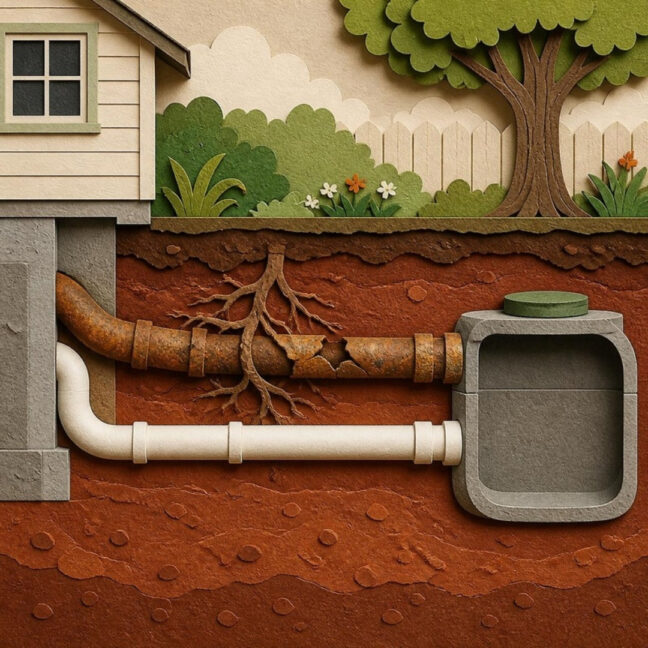
On this job in Sandy Springs, we found the line leaving the septic tank was an old cast iron pipe. It was corroded, completely blocked, and falling apart. The outlet baffle was gone as well. 

To repair, we replaced the outlet baffle and the line going from the septic tank to the drainfield with PVC. We use PVC because the pipes are durable and will not corrode. To complete the job, we pumped out the tank. 

For more septic information and service, call Action Septic Tank Service at 770-922-1434 and visit our website, Action Septic Tank Service.

Action Septic Tank Service is located in Alpharetta-Milton, GA, in North Fulton County. We provide residential, commercial and industrial septic and sewer service for North Atlanta, Metro Atlanta and surrounding areas. We are open daily from 7:00 AM – 9:00 PM and also provide emergency service.

Septic and Sewer Services: septic pumping, septic cleaning, maintenance, inspections, installations, line repair and replacement, drainfield repair and replacement, hydro jetting, sewer line cleaning, sewer line repair and replacement, dry wells, alternative systems, backhoe work, backflow prevention, excavating, septic treatments, grease trap cleaning and care

North Atlanta – Metro Atlanta Service Areas: Acworth, Alpharetta, Atlanta, Brookhaven, Buckhead, Buford, Canton, Crabapple, Cumming, Duluth, Dunwoody, East Cobb, Gainesville, Gwinnett, Holly Springs, Johns Creek, Lanier, Marietta, Metro Atlanta, Milton, Norcross, North Atlanta, North Fulton, Peachtree Corners, Roswell, Sandy Plains, Sandy Springs, South Forsyth, Sugar Hill, Suwanee, Waleska, West Cobb, Woodstock

North GA Counties: Barrow County, Cherokee County, Cobb County, Dawson County, DeKalb County, East Cobb County, Fayette County, Forsyth County, Fulton County, Gwinnett County, Hall County, North Fulton County, South Forsyth County, West Cobb County

Why Fall Is the Best Time to Service Your Septic System (and Why Ignoring It Can Cost You Big)

As temperatures drop and the seasons shift, your septic system goes through changes too. Fall is one of the smartest times of the year for homeowners to schedule maintenance, especially in Georgia where rainfall and holiday traffic can put extra stress on a system that’s already working hard.

A septic system that’s overdue for service doesn’t fail quietly. It fails fast. Backups, foul odors, soggy patches in the yard, or total drain-field breakdowns can happen without warning—usually at the worst possible moment. A quick fall checkup can prevent all of that.

Why Fall Matters

1. More Water Use Is Coming
Between holiday guests, cooking, cleaning, and family gatherings, your septic system will see heavier use. A weakened system can’t handle the load.

2. Georgia Weather Shifts
Fall brings moisture. More rain means more pressure on your drain field. If the tank is full or the field is stressed, problems show up quickly.

3. Winter Makes Repairs Harder
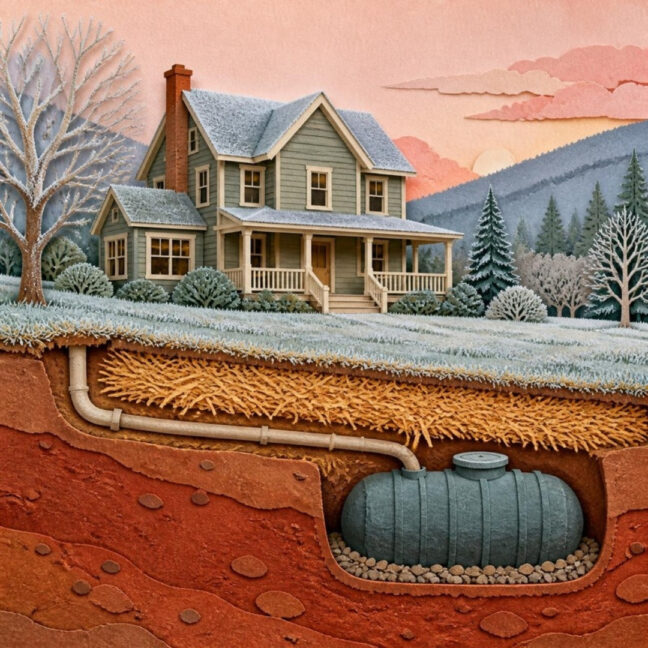
Cold, wet winter ground slows down repairs and makes digging more complex. Fixing a preventable issue becomes more expensive.

What a Fall Service Includes

A proper seasonal inspection checks:

  • Tank levels and pumping needs
  • Baffles and effluent filter
  • Drain-field condition
  • Roots or tree growth nearby
  • Line blockages
  • Waterflow irregularities
  • Sludge and scum buildup

Action Septic Service technicians handle every step with modern tools, clear communication, and same-day availability when needed.

Avoid the Headaches Later

A small inspection now can avoid a system failure that runs anywhere from $3,000 to $20,000. Preventive maintenance will always cost less than repair or replacement.

Schedule Your Fall Visit

Action Septic Service is built for fast response, honest pricing, and long-term protection for your home. Fall is the ideal window to check your system, pump the tank if needed, and make sure the rest of the year runs smooth.