Top 7 Reasons Your Septic System Fails—And How to Prevent Every One of Them

Most septic disasters are preventable. Here are the biggest causes of failure and how we help homeowners avoid them every day.

1. Not Pumping the Tank on Time

The #1 cause of backups. Regular maintenance is the cure.

2. Flushing the Wrong Items

Wipes, tampons, cotton swabs, and paper towels clog septic systems fast.

3. Heavy Water Usage

Too much laundry or long showers can overload the tank.

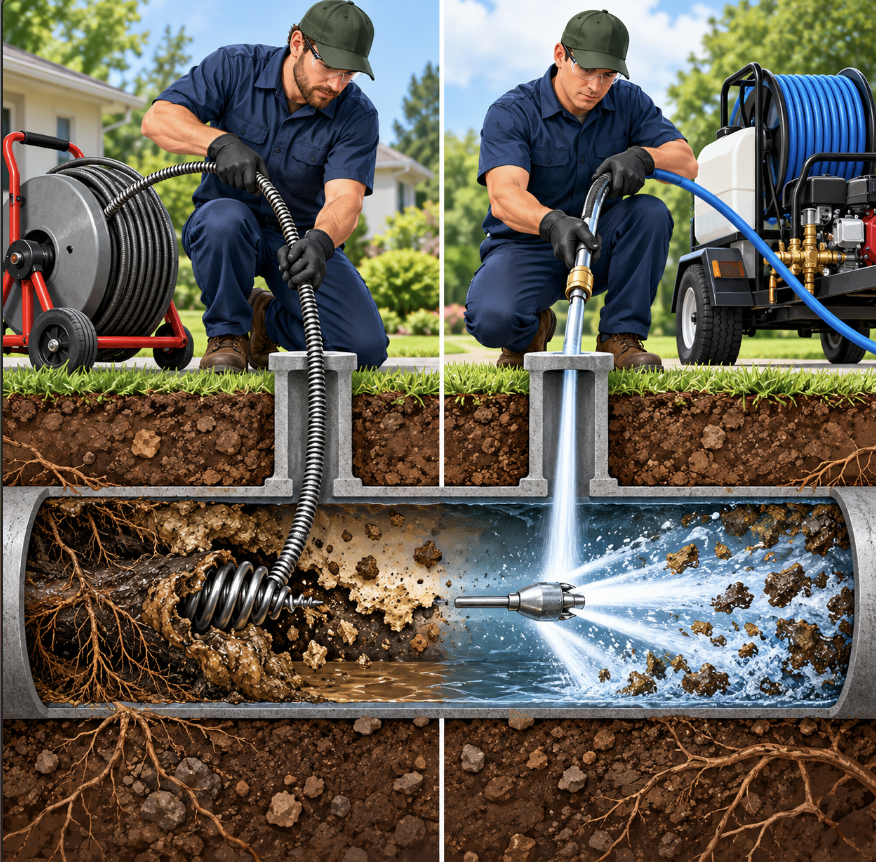
4. Tree Roots in the Lines

Roots break pipes, block flow, and destroy drain fields.

5. Poor Drain Field Health

When soil can’t absorb wastewater, the entire system fails.

6. Using Harsh Chemicals

Bleach, drain cleaners, and antibacterial soaps kill the good bacteria your tank needs.

7. Old or Damaged Pipes

Aging systems need regular inspection to catch early signs of wear.

We Protect Your Home From All 7 Problems

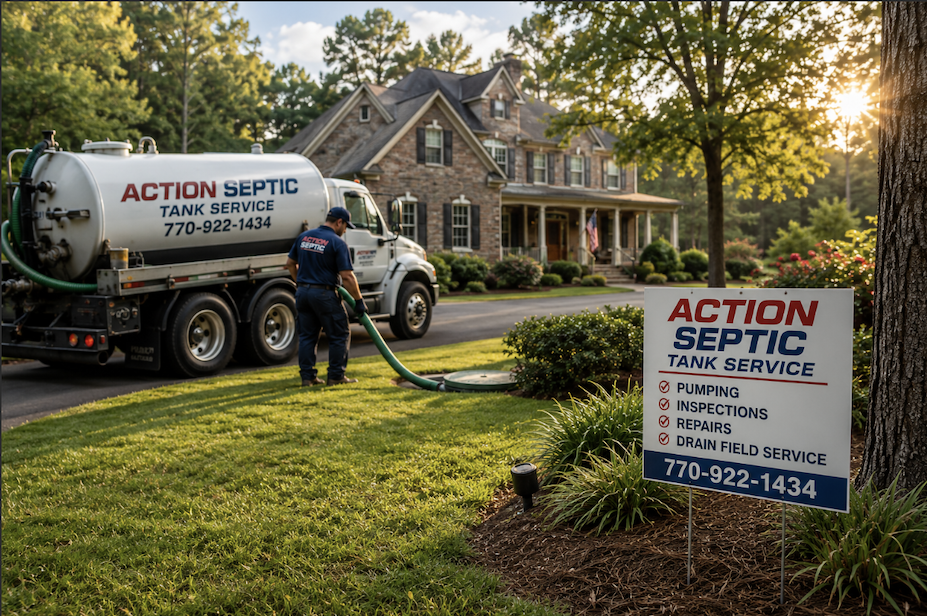
Our team handles pumping, inspections, repairs, and full system replacement when needed. Fast, clean, affordable.

For fast service in Alpharetta, Milton, Roswell, Johns Creek, and North Fulton, call 770-922-1434 or visit ActionSepticTankService.com.

Emergency Septic Backup? Here’s What To Do Before It Gets Worse

A septic backup can happen without warning—but what you do in the next 30 minutes makes all the difference.

1. Stop Using All Water Immediately

Prevent further flooding by shutting down washing machines, showers, and sinks.

2. Check the Lowest Drain in Your Home

If water is coming up through tubs or floor drains, your tank is full or your main line is blocked.

3. Don’t Try DIY Fixes

Store-bought chemicals damage your system and make professional repair more expensive.

4. Keep Children and Pets Away

Wastewater contains harmful bacteria—avoid contact until a professional arrives.

5. Call an Emergency Septic Technician

We respond fast, pump the tank, clear the line, and restore normal flow safely and professionally.

Backups never fix themselves. The longer you wait, the more damage spreads.

For fast service in Alpharetta, Milton, Roswell, Johns Creek, and North Fulton, call 770-922-1434 or visit ActionSepticTankService.com.

Why You Should Never Ignore Septic Smells—What the Odor Is Really Telling You

A septic odor is more than unpleasant—it’s a danger signal from your system.

Common Causes of Septic Odors

  • Full or overflowing tank
  • Clogged vent pipes
  • Cracked or leaking lines
  • Drain field failure
  • Improper bacteria balance in the tank

Are Septic Odors Dangerous?

Yes. Wastewater gases can contain methane and hydrogen sulfide, which are harmful to breathe and can indicate system leaks.

What To Do When You Smell Something

  1. Don’t mask it with air fresheners—it won’t go away.
  2. Avoid flushing anything unusual.
  3. Call a licensed septic professional immediately.

Our technicians locate the source fast, fix the problem, and protect your home from toxic exposure.

For fast service in Alpharetta, Milton, Roswell, Johns Creek, and North Fulton, call 770-922-1434 or visit ActionSepticTankService.com.

How Often Should You Pump Your Septic Tank? The Homeowner’s Complete Guide

Most septic failures happen because homeowners wait too long between pumpings. But pumping isn’t guesswork—it’s science.

Recommended Pumping Schedule

  • 1–2 people in home → Every 4–5 years
  • 3–4 people → Every 3–4 years
  • 5+ people → Every 2–3 years

What Affects Pumping Frequency

  • Laundry volume
  • Garbage disposal use
  • Water usage
  • Age of your septic system
  • Tank size

If you’ve never pumped your tank—or you’re not sure when it was last done—it’s time.

Why Regular Pumping Saves You Money

A routine pump costs a fraction of what a failed drain field costs. Preventative maintenance is the #1 way to avoid emergency backups.

For fast service in Alpharetta, Milton, Roswell, Johns Creek, and North Fulton, call 770-922-1434 or visit ActionSepticTankService.com.

Secrets Unveiled: The Truth About Septic Tank Pumping Frequency

SEPTIC TANK PUMPING FREQUENCY

9 min read #2,181 words

Discover the septic tank pumping frequency secrets every Alpharetta homeowner needs to know! Optimize your system maintenance today!

Unveiling the Importance of Septic Tank Maintenance

When it comes to the care and maintenance of septic systems, understanding the significance of regular upkeep is essential for homeowners. Neglecting the maintenance of septic tanks can lead to costly repairs and potential health hazards.

Understanding the Significance of Regular Maintenance

Regular maintenance of septic tanks plays a critical role in ensuring the proper functioning of the system and prolonging its lifespan. By adhering to a scheduled maintenance plan, homeowners can prevent issues such as clogging, backups, and system failures. Routine pumping and inspections help in identifying potential problems early on, allowing for timely repairs and avoiding more extensive damage.

Moreover, regular maintenance contributes to environmental protection by minimizing the risk of groundwater contamination and pollution. By properly caring for septic systems, homeowners can support sustainable practices and reduce their impact on the environment.

Impact of Neglecting Septic Tank Maintenance

On the flip side, neglecting septic tank maintenance can have serious consequences for homeowners. A lack of regular pumping and inspection can result in the accumulation of solid waste in the tank, leading to blockages and backups in the plumbing system. This can not only cause inconvenience and unsanitary conditions but also pose health risks to those living in the property.

Additionally, neglecting septic tank maintenance can shorten the lifespan of the system and necessitate costly repairs or even the replacement of the entire septic system. Addressing issues only when they escalate can result in major disruptions, financial burdens, and potential damage to the surrounding property.

By recognizing the importance of regular septic tank maintenance and understanding the repercussions of neglecting it, homeowners can take proactive measures to ensure the efficient operation and longevity of their septic systems. Prioritizing routine maintenance not only safeguards the health and well-being of residents but also promotes sustainable practices and protects the environment for future generations.

Factors Influencing Septic Tank Pumping Frequency

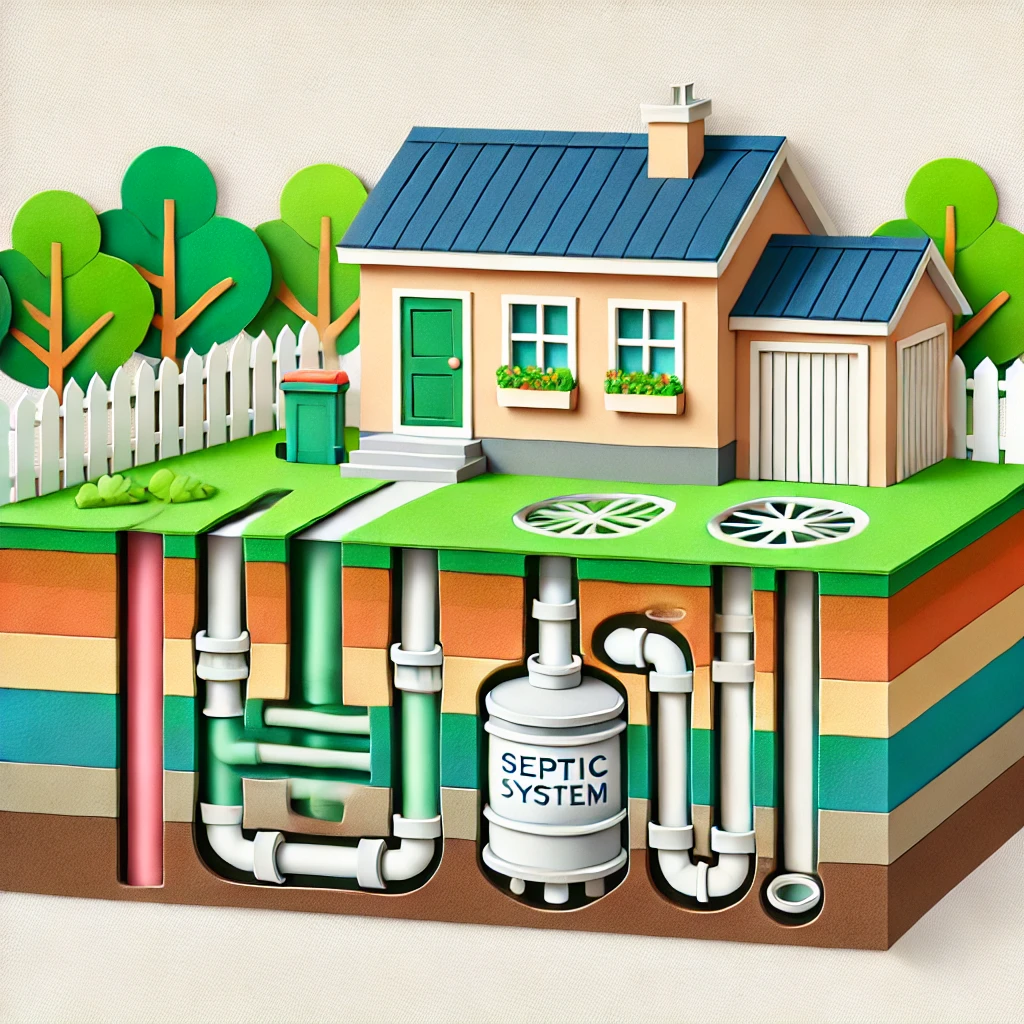
When it comes to maintaining a healthy septic system, understanding the factors that influence the pumping frequency is essential. Several key elements can impact how often your septic tank needs to be pumped, including the size of the household and usage, tank size and material, as well as the usage of water and chemicals.

Size of the Household and Usage

The number of individuals in a household and their daily water usage habits play a significant role in determining the frequency of septic tank pumping. Larger households with more residents tend to produce a higher volume of wastewater, leading to more frequent pumping requirements. Additionally, the types of activities conducted in the household, such as laundry, dishwashing, and bathing, can also influence how quickly the septic tank fills up.

Tank Size and Material

The size and material of the septic tank itself can impact the pumping frequency. Smaller tanks have limited storage capacity and may require more frequent pump-outs compared to larger tanks. Additionally, the material of the tank, whether it is concrete, fiberglass, or plastic, can affect the tank’s durability and longevity. Older tanks or tanks made from certain materials may be more susceptible to damage and require more frequent maintenance.

Tank SizePumping Frequency
SmallEvery 1-2 years
MediumEvery 2-3 years
LargeEvery 3-5 years

Usage of Water and Chemicals

The amount of water and the type of chemicals used in a household can influence how quickly the septic tank fills up and requires pumping. Excessive water usage, such as running multiple loads of laundry in a day or taking long showers, can overload the septic system and increase the pumping frequency. Similarly, the use of harsh chemicals like bleach or antibacterial cleaners can disrupt the natural bacteria balance in the tank, leading to more frequent pump-outs.

Water UsagePumping Frequency
LowEvery 3-5 years
ModerateEvery 2-3 years
HighEvery 1-2 years

By considering these factors and monitoring the condition of your septic system regularly, homeowners can make informed decisions about the appropriate pumping frequency to ensure the longevity and efficiency of their septic tank. Regular maintenance and adherence to best practices can help prevent costly repairs and maintain a healthy septic system for years to come.

Signs Your Septic Tank Needs Pumping

To maintain the efficiency and longevity of a septic system, it is crucial to recognize the signs indicating when the septic tank requires pumping. By staying vigilant and addressing these indicators promptly, homeowners can prevent potential issues and ensure the proper functioning of their septic systems. Here are three key signs that suggest it may be time to pump your septic tank:

Slow Drains and Backups

One common indication that your septic tank needs pumping is slow-draining sinks, showers, or toilets. If you notice water draining more slowly than usual or frequent backups occurring in your plumbing fixtures, it could be a sign that the septic tank is reaching its capacity. This slow drainage may be due to a buildup of solids and sludge in the tank, hindering the flow of wastewater through the system.

Foul Odors

Another telltale sign that your septic tank requires pumping is the presence of foul odors in and around the property. If you detect unpleasant smells, such as rotten egg or sewer-like odors, it may indicate that gases produced during the decomposition of organic matter within the septic tank are not venting properly. This could be a sign of a full or deteriorating tank that needs immediate attention.

Lush Greenery or Wet Spots

Unexplained areas of overly lush green grass or wet spots in the yard near the location of the septic tank or drain field can also signal a potential issue with the system. Excessively green or thriving vegetation above the septic tank or drain field may indicate that wastewater is overflowing or leaking from the system. This can result from a full septic tank that is unable to handle the incoming wastewater effectively.

By being attentive to these signs of a full septic tank, homeowners can take proactive measures to address any underlying issues before they escalate into more significant problems. Regular monitoring and timely pumping of the septic tank are vital components of proper septic system maintenance, ensuring the continued functionality and efficiency of the system.

Determining the Right Pumping Frequency

When it comes to maintaining your septic tank, determining the correct pumping frequency plays a crucial role in ensuring the efficient functioning of your system. By understanding the general guidelines for pumping frequency and emphasizing the importance of regular inspections, homeowners can proactively care for their septic systems.

General Guidelines for Pumping Frequency

The frequency at which you should pump your septic tank depends on several factors, including the size of your household, the tank’s capacity, and your daily water usage. As a general rule of thumb, experts recommend scheduling a septic tank pumping every 3 to 5 years. However, specific circumstances may warrant more frequent or less frequent pumping. Refer to the following guidelines to assess the recommended pumping frequency based on household size:

Household SizeRecommended Pumping Frequency
1-2 peopleEvery 5 years
3-4 peopleEvery 3-5 years
5+ peopleEvery 2-3 years

It’s important to note that these are general guidelines, and individual situations may vary. Factors like water usage, presence of a garbage disposal, and the use of household chemicals can influence the pumping frequency. Regular inspections by professionals can provide a more accurate assessment of your septic system’s needs.

Importance of Regular Inspections

Regular inspections are essential for maintaining the health and longevity of your septic tank. Professional inspections allow experts to evaluate the tank’s condition, check for any signs of damage or leaks, and assess the accumulation of sludge and scum. By conducting inspections on a routine basis, homeowners can identify potential issues early on and address them before they escalate into costly repairs.

Moreover, inspections provide an opportunity to review the pumping frequency and make adjustments based on the current condition of the septic system. Professionals can provide valuable insights into optimizing the pumping schedule to accommodate changes in household size, water usage patterns, or other external factors that may impact the system’s performance.

By adhering to the recommended pumping frequency and prioritizing regular inspections, homeowners can uphold the efficiency and functionality of their septic tanks. Investing in proactive maintenance not only safeguards the septic system but also contributes to a healthier and more sustainable living environment for both residents and the surrounding community.

The Process of Septic Tank Pumping

Ensuring the proper maintenance of septic tanks is paramount for Alpharetta homeowners to avoid potential issues and maintain the functionality of their sewage systems. Within the process of septic tank pumping, two key aspects are vital: hiring professional pumping services and adhering to safety considerations during pumping operations.

Hiring Professional Pumping Services

When it comes to septic tank pumping, enlisting the expertise of professional pumping services is highly recommended. These service providers have the necessary equipment, knowledge, and experience to efficiently pump out the accumulated sludge and scum from the septic tank. By entrusting this task to professionals, homeowners can ensure that the pumping process is carried out effectively and in compliance with local regulations.

It is advisable to schedule regular pumping appointments with reputable pumping services based on the size of the household, usage habits, and the recommendations of septic system professionals. Regular pumping not only prevents potential backups and costly repairs but also prolongs the lifespan of the septic system.

Safety Considerations During Pumping Operations

Safety should always be a top priority during septic tank pumping operations. Homeowners should follow safety guidelines to protect themselves, the environment, and the integrity of the septic system. Some important safety considerations include:

Safety ConsiderationExplanation
VentilationEnsure proper ventilation during the pumping process to prevent the buildup of harmful gases like methane.
Protective GearWear appropriate protective gear, such as gloves and goggles, to avoid contact with sewage and hazardous substances.
Proper DisposalEnsure that the pumped waste is disposed of in accordance with local regulations and environmental guidelines.
Secure LidKeep the septic tank lid securely closed during pumping to prevent accidents and ensure the safety of individuals in the vicinity.
Professional AssistanceIf homeowners are uncertain or uncomfortable with the pumping process, it is advisable to seek assistance from professional pumping services.

By prioritizing safety and entrusting septic tank pumping to qualified professionals, Alpharetta homeowners can maintain the functionality and efficiency of their septic systems while safeguarding their well-being and the environment.

Tips for Extending Time between Pumpings

Proper maintenance of your septic tank is essential for ensuring its longevity and optimal performance. By following best practices for septic tank care and adhering to dos and don’ts for septic system maintenance, you can extend the time between pumpings and prevent costly repairs down the line.

Best Practices for Septic Tank Maintenance

Maintaining a healthy septic system starts with regular maintenance and upkeep. Here are some best practices to help you extend the time between pumpings:

Best PracticeDescription
Regular PumpingSchedule routine septic tank pumpings every 3-5 years to prevent buildup of solids and sludge.
Water ConservationBe mindful of water usage to reduce strain on the septic system. Fix leaks promptly and consider installing low-flow fixtures.
Proper Waste DisposalAvoid flushing non-biodegradable items or hazardous chemicals down the drains to prevent clogs and damage to the system.
Grass and Vegetation ControlKeep trees, shrubs, and roots away from the septic tank and drain field to prevent root intrusion and damage.
InspectionsConduct annual inspections to identify any potential issues early on and address them promptly to avoid major repairs.

Dos and Don’ts for Septic System Care

To maintain the health and functionality of your septic system, it’s crucial to follow these dos and don’ts for septic system care:

DoDon’t
Use septic-safe productsAvoid using antibacterial soaps or harsh chemicals that can disrupt the balance of beneficial bacteria in the septic tank.
Spread out laundry loadsAvoid overwhelming the system by spreading out heavy water usage activities like laundry over several days.
Direct rainwater away from the drain fieldAvoid directing excess water from gutters or downspouts towards the septic system to prevent oversaturation of the drain field.
Maintain accurate records of maintenanceDon’t neglect regular maintenance schedules or skip inspections, as this can lead to costly repairs in the future.
Monitor signs of potential issuesDon’t ignore warning signs such as slow drains, sewage backups, or odors, as these may indicate a problem with the septic system.

By incorporating these tips into your septic system maintenance routine, you can effectively prolong the time between pumpings and ensure the longevity and efficiency of your septic tank. Following these best practices and guidelines will not only benefit your septic system but also contribute to a healthier and more sustainable environment for your property and surrounding areas.