
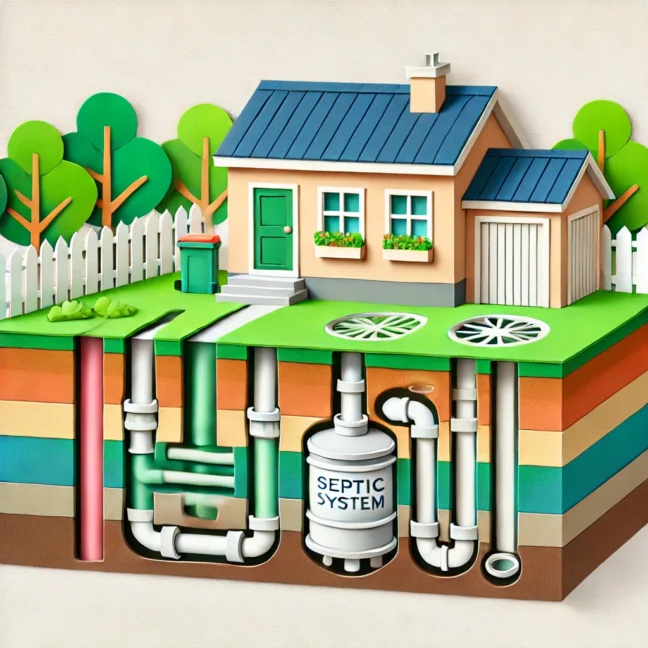
…And Why North Georgia Clay Makes It Worse
Picture this: Friday night in Sandy Springs. The family cooks pasta, drains the grease into the sink like always, then flushes a few “flushable” wipes after the kids’ baths. By Sunday the kitchen sink backs up. Monday the smell in the yard turns heads. You call for help and learn the truth—the system never forgot what you sent down.
In North Atlanta, the soil itself works against you. Clay holds water like a grudge. It drains slowly even on good days. When grease, wipes, or chemicals arrive, they don’t disappear. They coat pipes, kill the bacteria that digest waste, and turn your drain field into a saturated sponge.
Grease cools and hardens. One pour seems harmless. Over months it lines the inlet pipe and baffles like arterial plaque. Hydro jetting can clear it, but prevention beats cure every time. Scrape plates into the trash. Wipe pans with a paper towel. Your septic tank will thank you, and so will your wallet.
Wipes top the offender list. Manufacturers label them “flushable,” yet they never fully break down. They tangle with hair, form mats, and block lines. In Cumming or Peachtree Corners homes with older systems, one package can trigger a backup that reaches the basement.
Chemicals follow close behind. Bleach, antibacterial soaps, drain cleaners, even some medications. They don’t just clean—they sterilize. The good bacteria in your tank die off, solids stop breaking down, and the whole system turns into an expensive holding tank instead of a living processor.
Coffee grounds, cat litter, paint, oil, feminine products, dental floss—they all share the same flaw. Your septic tank handles human waste and toilet paper. Everything else becomes a problem that clay soil magnifies.
Commercial kitchens in Roswell or Johns Creek face their own version. Grease traps fill faster than expected. Health inspectors show up. One missed pumping schedule and fines arrive alongside the backup. Weekly or bi-weekly service keeps paperwork clean and operations running.
The pattern repeats because habits feel small. One flush here, one pour there. Then the yard stays wet for days after rain, drains slow, and the repair quote lands like a punch.
You don’t need to memorize a long list of rules. Keep it practical: flush only what belongs, scrape instead of rinse, space out laundry loads, and fix leaky faucets. Divert roof runoff and gutter downspouts away from the drain field. Plant shallow-rooted grass or flowers over the field—keep trees at least twenty feet back.
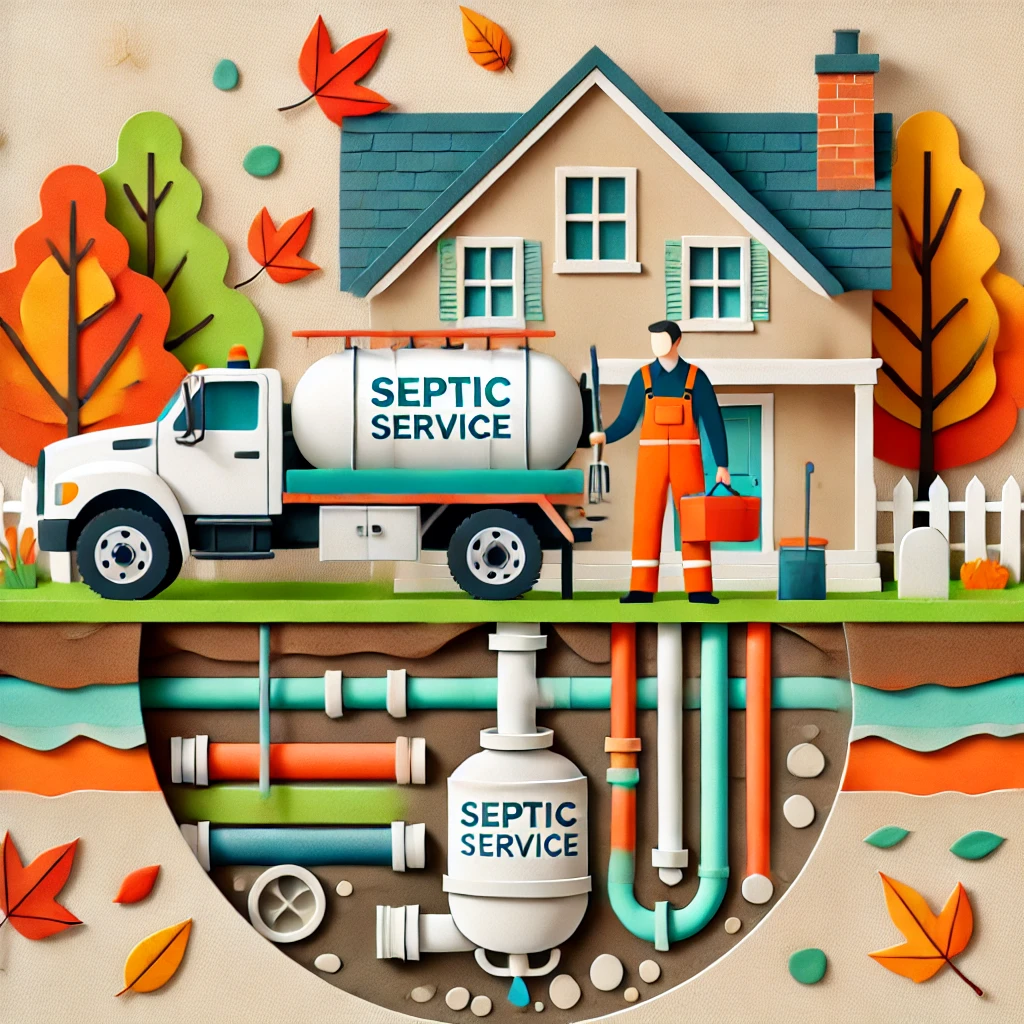
When you’re ready for professional eyes on your system, Action Septic Tank Service brings the right tools and local knowledge. We pump, inspect, hydro jet lines when needed, and explain in plain terms why certain habits hurt more in our clay-heavy North Georgia yards.
Call 770-922-1434. Let us help you break the cycle before the next backup forces the conversation. Your drains will run freer, your yard will stay drier, and you’ll stop wondering what that smell means.