Scheduling septic pumping? Learn what happens before, during, and after a residential septic tank pumping appointment in North Atlanta.
Scheduling septic tank pumping should not feel mysterious.
The tank may be buried, but the service itself follows a practical process. A professional locates the tank, accesses it, removes accumulated waste, examines accessible components, and helps the homeowner understand the condition of the system.
Knowing what to expect can make the appointment faster, safer, and more useful.
Why Septic Tanks Need to Be Pumped
Wastewater from your sinks, toilets, showers, washing machine, and other household fixtures travels through the main drainage pipe into the septic tank.
Inside the tank, heavier solids settle to the bottom and form sludge. Oils, grease, and lighter materials rise to the top and form scum. The liquid layer between them eventually flows toward the drainfield.
The tank is designed to retain solids. Those solids do not disappear completely. They accumulate and must eventually be removed by a septic pumping professional.
The U.S. Environmental Protection Agency generally recommends pumping household septic tanks every three to five years. The correct schedule depends on the tank size, number of residents, household water use, garbage disposal use, and the amount of solids inside the tank.
Before the Septic Truck Arrives
A little preparation can help the service appointment move smoothly.

Gather Any Available Records
Look for previous pumping receipts, inspection reports, permits, property diagrams, or notes from the former homeowner.
These records may tell the technician:
- When the tank was last pumped
- Approximately where the tank is located
- The tank’s estimated size
- Whether the system has risers
- Whether repairs were previously completed
- Whether the system has a pump, filter, alarm, or other components
Do not delay service simply because you cannot find the records. Many homeowners do not know the tank location or pumping history, especially after purchasing an older property.
Clear Access to the Property
Make sure the septic truck can safely enter the property or park near the work area.
Move vehicles, trailers, toys, lawn equipment, and other obstacles. Unlock gates and secure pets before the crew arrives.
Write Down Your Concerns
Tell the technician about anything unusual you have noticed, including:
- Slow drains
- Gurgling toilets
- Sewage odors
- Wet areas in the yard
- Plumbing backups
- An alarm sounding
- Unusually green grass near the drainfield
These symptoms may point to something beyond a tank that needs routine pumping.
Step 1: Locating the Septic Tank
The first step is finding the tank and its access points.
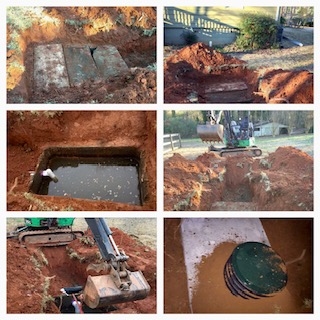
Some homes have visible riser lids at ground level. Other tanks may be several inches or more beneath the soil.
A property diagram, previous service record, or visible plumbing route may help locate the tank. When records are unavailable, the technician may use professional locating methods.
Homeowners should not begin digging randomly. Septic systems may include pipes, electrical wiring, pumps, or other underground components that can be damaged.

Step 2: Opening and Assessing the Tank
Once the tank is accessible, the technician can examine conditions inside it.
A septic professional may measure the sludge and scum layers to determine how much material has accumulated. Accessible inlet and outlet areas, baffles, filters, pipes, and tank surfaces may also be examined for visible damage or abnormal conditions.
The EPA describes professional septic evaluation as potentially including sludge and scum measurements, leakage checks, backup staining, pipe examination, electrical checks, and an evaluation of the drainfield. The exact inspection depends on the system and the service ordered.
Ask what is included when scheduling your appointment. Pumping, routine observation, and a complete property-transfer inspection are not always the same service.
Step 3: Pumping the Tank
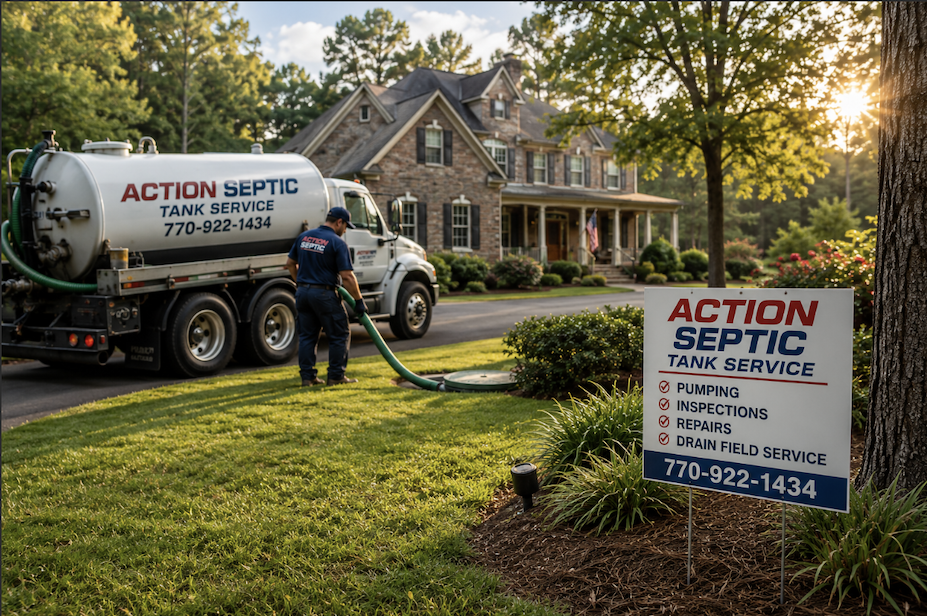
A large vacuum hose is placed into the tank and connected to the septic truck.
The pumping equipment removes the liquid, sludge, scum, and other accumulated material. The technician may reposition the hose or use additional methods to remove material from different areas of the tank.
The purpose is not merely to lower the liquid level. The accumulated solids are the material that routine pumping is intended to remove.
Only trained professionals should clean or repair septic tanks. Septic tanks can contain dangerous gases and other serious hazards. Homeowners should never enter a tank.
Step 4: Checking for Visible Problems
Once the tank is pumped down, previously hidden conditions may become easier to observe.
Potential concerns can include:
- Cracks or deterioration
- Damaged inlet or outlet baffles
- Root intrusion
- Corroded components
- A blocked filter
- Signs of leakage
- Evidence that wastewater has backed up
- Solids moving toward the outlet
- Problems with pumps or alarms
Finding a concern does not automatically mean the entire septic system has failed. It means the homeowner now has information that can guide the next decision.
Step 5: Closing the Tank and Discussing the Findings
After service, the tank access should be securely closed and the work area restored as appropriate.
Before the crew leaves, ask:
- How full was the tank?
- Were the sludge and scum levels unusually high?
- Were the baffles and accessible components intact?
- Did the technician see signs of leakage or backup?
- Was the drainfield showing visible trouble?
- When should the system be checked or pumped again?
- Is another service or repair recommended?
Keep the invoice and service notes with your household records. Write the pumping date on your calendar so the maintenance history is not lost again.
Pumping Is Maintenance, Not a Cure for Every Problem
Pumping removes accumulated material from the tank, but it cannot repair every septic issue.
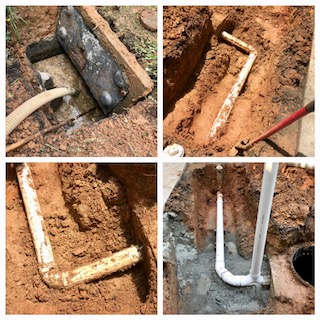
A damaged pipe, deteriorated baffle, clogged filter, failing pump, saturated drainfield, or structural tank problem may require additional service.
If slow drainage, odors, standing water, or backups continue after pumping, the system may need further evaluation.
Schedule Residential Septic Pumping in North Atlanta
Action Septic Tank Service provides residential septic and sewer service throughout North Atlanta, Metro Atlanta, and surrounding communities. The company is based in the Alpharetta-Milton area and reports more than 20 years of service in North Georgia.
Routine pumping gives you more than an empty tank. It gives you an opportunity to learn what is happening beneath your property before a hidden concern becomes an emergency.
Call Action Septic Tank Service at 770-922-1434 to discuss your system and schedule residential septic pumping.
ActionSepticTankService.com