Moving from a sewer-connected home to a property with a septic system changes one important thing:
The wastewater system is now part of your property, and routine care becomes your responsibility.
The good news is that septic maintenance is manageable once you understand the basics.
Your septic system quietly works in the background every day.
Wastewater flows from the house into the septic tank.
Solids settle.
Liquid moves onward.
The drainfield disperses treated effluent into the soil.
Problems often begin when too much solid material, too much water, or the wrong materials enter the system.
If you’re a new homeowner in Alpharetta, Milton, North Fulton, or the greater North Atlanta area, here are some of the most important habits to develop.
Learn Where Your Septic Components Are Located
Locate the septic tank, access lids, cleanouts, distribution components, and drainfield.
Keep a simple property sketch or service record showing where major components are located.
This can make future septic pumping, inspections, or repairs easier because service crews do not have to rediscover the entire system.
Avoid planting large trees directly over septic components.
Do not park vehicles or heavy equipment over the tank or drainfield.
Never build permanent structures on top of septic components without first understanding how the project could affect the system.
Keep a Septic Pumping and Inspection Record
There is no single septic pumping interval that fits every household.
Several factors can affect how frequently your tank should be serviced, including:
Septic tank size
Number of people in the household
Water usage
Garbage disposal use
System design
Amount of solids entering the tank
The condition of the system
Action Septic Tank Service has historically recommended pumping many residential tanks on a roughly two-to-three-year schedule, but your actual service interval should be based on your particular septic system and household conditions.
Keep records every time the system is pumped, inspected, cleaned, or repaired.
A good septic service history can be valuable for you and for a future buyer.
Watch What Goes Down the Drain
Your septic tank is not a trash can.
Keep wipes, paper towels, diapers, hygiene products, cooking grease, paint, solvents, and other non-wastewater materials out of the system.
Even products labeled “flushable” can contribute to clogs because they may not break down like ordinary toilet paper.
The simplest rule is this:
Your plumbing should primarily receive wastewater and appropriate toilet paper, not household trash.

Spread Out Heavy Water Use
Large amounts of water entering a septic system over a short period can temporarily overwhelm it.
Laundry, long showers, leaking toilets, and large back-to-back water loads all increase the amount of wastewater the system must process.
Fix leaks promptly.
Spread high-water-use chores throughout the week when possible.
Efficient toilets, faucets, showerheads, and appliances can also help reduce unnecessary wastewater flow.
Your septic system needs time to do its job.
Protect the Drainfield
The drainfield is one of the most important and expensive parts of a septic system.
Protect it.
Keep roof drains, sump discharges, and significant surface runoff from dumping water directly onto the drainfield.
Excess water can saturate the surrounding soil and reduce its ability to absorb septic effluent properly.
Choose shallow-rooted landscaping for septic areas.
Avoid soil compaction from vehicles, construction equipment, or heavy objects.
And remember where the drainfield is before beginning major landscaping projects.
Learn the Warning Signs of Septic Trouble
Call for service if you notice:
Multiple slow drains
Gurgling toilets
Sewage odors
Wet ground over the drainfield
Standing water
Unusually green grass over septic areas
Recurring plumbing backups
Wastewater surfacing outside
Problems that return shortly after pumping
Early diagnosis may reveal something relatively manageable, such as a clogged filter or damaged line, before the problem develops into a much larger repair.

Do Not Assume Septic Pumping Fixes Everything
Pumping is essential septic maintenance, but pumping cannot repair every problem.
Removing the contents of the tank will not fix:
A broken pipe
A failed pump
A missing or damaged baffle
A crushed septic line
Significant root intrusion
A saturated drainfield
A failing drainfield
If symptoms continue after the septic tank is pumped, ask for a deeper evaluation.
The objective should be identifying the source of the problem, not repeatedly treating the same symptom.
Plan Before Remodeling Your Home
Before adding bedrooms, finishing a basement, building a swimming pool, installing a new driveway, or creating an accessory dwelling space, understand how that project could interact with the septic system.
Know where the tank, lines, and drainfield are located before construction begins.
An addition can increase wastewater use.
A driveway can place weight over septic components.
A pool or structure can interfere with access or the drainfield.
Protecting your septic system during construction can prevent accidental damage and expensive surprises.
A Little Septic Maintenance Can Prevent a Lot of Stress
The best septic problems are the ones you catch before wastewater appears where it shouldn’t.
Keep records.
Use water wisely.
Watch what goes down your drains.
Protect the drainfield.
Pay attention to warning signs.
And schedule professional septic service before small symptoms become emergencies.
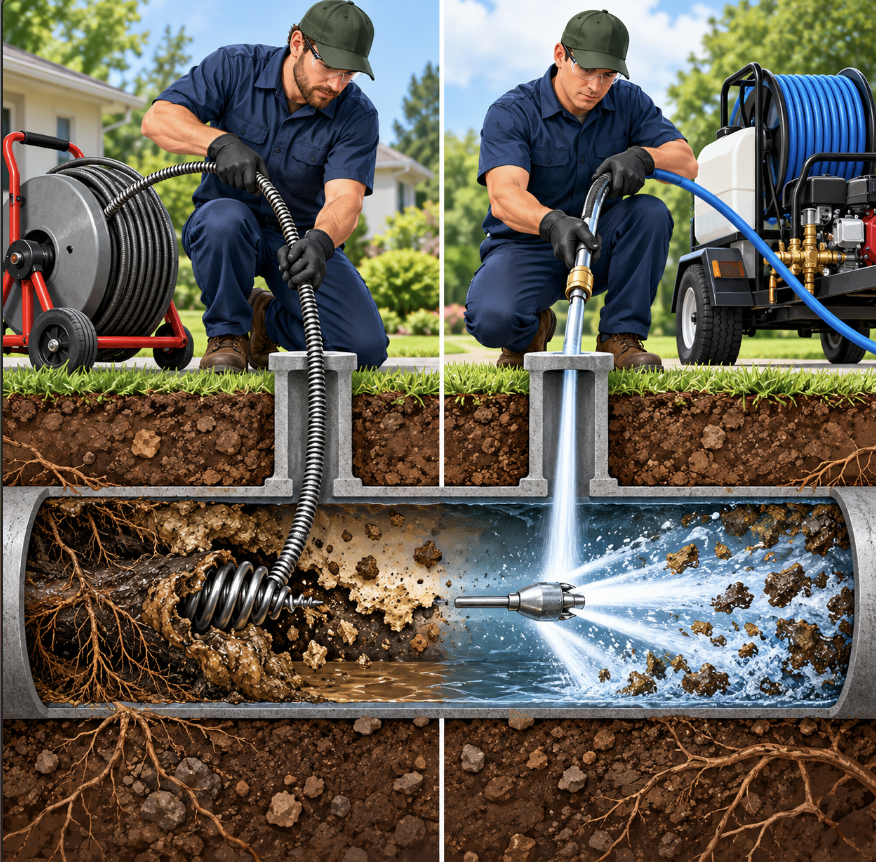
Action Septic Tank Service provides septic pumping, cleaning, inspections, maintenance, installations, line repair, drainfield repair, hydro jetting, and related septic and sewer services throughout North Atlanta and Metro Atlanta.
Whether you have lived with a septic system for twenty years or just purchased your first septic property, proper maintenance can help protect your home, your property, and your investment.
Call Action Septic Tank Service at 770-922-1434 or visit actionseptictankservice.com to schedule service.
Posted in Action Septic DigestTagged Action Septic DigestTagged Action Septic Tank Service, alpharetta georgia septic experts, clogged septic tank alpharetta, drain field problems alpharetta, drain field repair alpharetta, Emergency Septic Backup? Here’s What To Do Before It Gets Worse Edit | Quick Edit | Trash | View | Page Builder relentless, emergency septic near me, emergency septic service alpharetta, family septic system care, fast septic service alpharetta, heavy rain septic issues, licensed septic technician alpharetta, local septic company alpharetta, North Fulton septic service, North Georgia clay septic, restaurant grease trap service, septic backup alpharetta, septic bacteria care, septic drain field repair, septic inspection alpharetta, septic odor removal, septic pumping near me, septic repair alpharetta, septic repair near me, septic service Alpharetta, septic service johns creek, septic service roswell ga, septic smell in house alpharetta, septic system maintenance, septic system maintenance alpharetta, septic tank cleaning Alpharetta, septic tank failure alpharetta, septic tank full, septic tank odor alpharetta, septic tank overflowing alpharetta, septic tank problems, septic tank pumping Alpharetta, septic tank pumping milton ga, septic tank sludge, septic tank troubleshooting alpharetta, sewage backup alpharetta, slow drains septic